
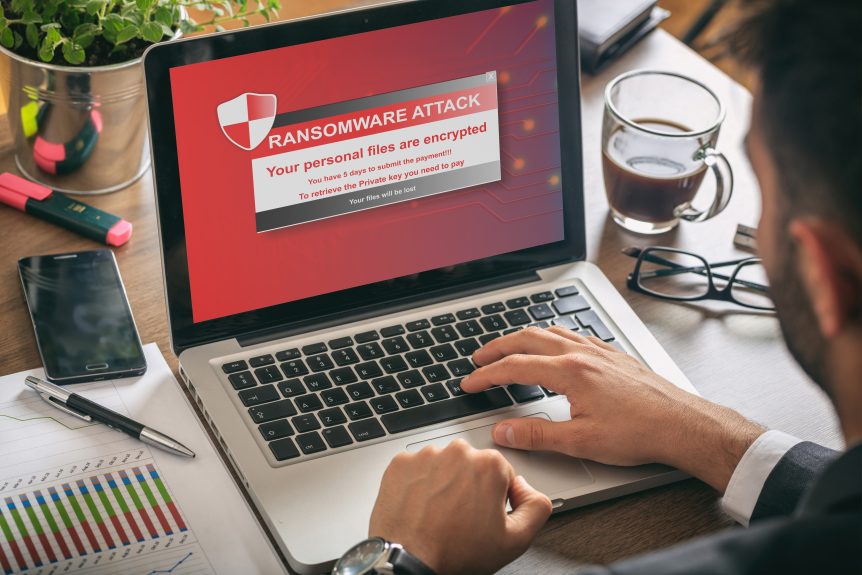
A ransomware attack response requires quick action. When cybercriminals lock files, disrupt systems, or steal sensitive information, the effects can reach far beyond your IT department. Knowing how to respond can help your business contain the threat, protect important information, and start the recovery process.
Contain the Threat
If you suspect ransomware, act quickly to prevent it from spreading. Isolate affected systems and devices from the network and involve your IT or cybersecurity team. CISA includes system isolation among its recommended ransomware response measures.
Avoid making unnecessary changes to affected systems. Your cybersecurity team may need information from those systems as they investigate the attack.
Follow Your Incident Response Plan
A ransomware attack can interrupt normal operations, so businesses need a plan before an incident occurs.
Follow your organization’s incident response and business continuity procedures. Identify which systems the attack affected, determine which business functions require immediate attention, and involve the appropriate IT, cybersecurity, legal, insurance, and leadership resources.
The FBI recommends maintaining and regularly testing incident response, backup, disaster recovery, and business continuity procedures.
Be Cautious About Paying a Ransom
A ransom payment does not guarantee that you will regain access to your data. The FBI does not support paying ransom and notes that payment can encourage criminals to target additional victims.
Before making major response decisions, work with the appropriate cybersecurity, legal, law enforcement, and insurance professionals.
Report the Incident
Businesses should also report ransomware incidents to the appropriate authorities. The FBI encourages ransomware victims to contact their local FBI field office or report the incident to the Internet Crime Complaint Center.
Reporting a ransomware attack gives law enforcement information that can support investigations into cybercriminal activity.
Recover From Secure Backups
Reliable backups can play an important role in ransomware recovery. The FBI recommends regularly backing up important data, checking that backups work, and securing backups so they aren’t connected to the computers and networks they protect.
Work with your IT or cybersecurity professionals to address the threat before restoring systems and data.
Strengthen Your Ransomware Defenses
Preparation can help your business respond more effectively if an attack occurs. Consider these cybersecurity practices:
- Back up important business data regularly.
- Secure and verify your backups.
- Keep software and operating systems updated.
- Keep antivirus and anti-malware solutions current.
- Train employees on cybersecurity risks.
- Limit administrative access to people who need it.
- Maintain and regularly test your incident response and business continuity plans.
Understand the Role of Cyber Insurance
Even with strong cybersecurity practices, businesses can still face cyber risks. Cyber insurance can provide financial protection for certain expenses associated with a covered cyber incident, depending on the specific policy.
Because policies vary, businesses should review their cyber coverage, limits, conditions, and exclusions with their insurance advisor. Understanding your coverage before an attack can help you know what resources may be available if an incident occurs.
Help Protect Your Business
A strong ransomware attack response starts before an attacker ever gets into your systems. Cybersecurity practices, reliable backups, an established response plan, and appropriate insurance coverage can all play a role in helping your business prepare for and respond to a ransomware event.
WA Group can help you review your cyber insurance coverage and determine whether your current protection fits your business’s risks.