
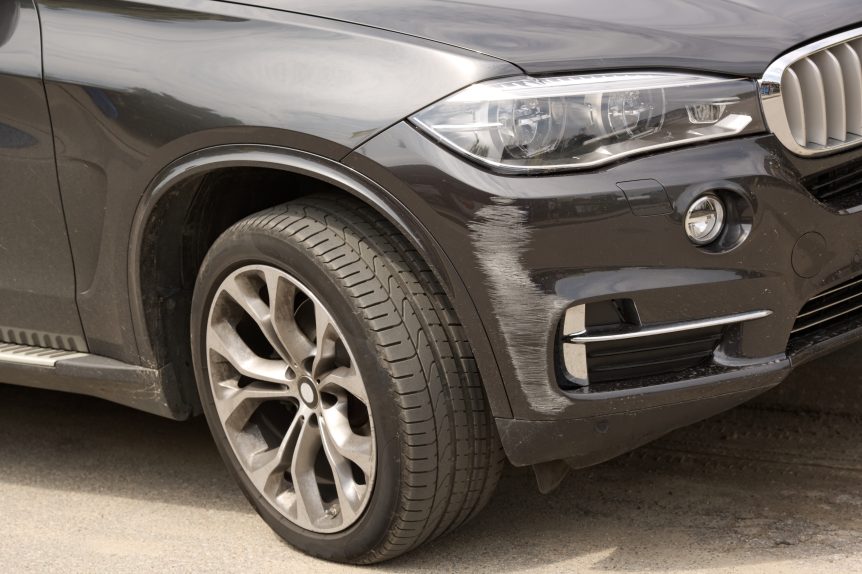
A small fender-bender costs on newer cars much more than many drivers expect. What once required a simple bumper repair now often involves advanced technology, sensors, cameras, and specialized parts. Even a low-speed collision can result in a repair bill that reaches thousands of dollars.
Understanding why costs continue to rise can help you choose the right insurance coverage before an accident happens.
Why Minor Accidents Lead to Major Repair Bills
Modern vehicles include technology designed to improve safety and driving performance. Many of these systems hide behind bumpers, mirrors, windshields, and other parts of the vehicle.
A small impact can damage:
- Blind-spot monitoring sensors
- Backup cameras
- Adaptive cruise control systems
- Parking assistance technology
- Forward collision warning systems
Even when a bumper shows only a small crack or dent, technicians may need to inspect, replace, and recalibrate the technology behind it. That additional work increases both labor and repair costs.
Parts and Labor Cost More Than They Used To
Vehicle repairs have become more complex. Many newer vehicles use specialized materials and manufacturer-specific components that cost more to replace.
Repair shops also need technicians with advanced training and equipment to diagnose and calibrate vehicle technology correctly. As a result, both parts and labor contribute to higher repair bills.
What might have been a few hundred dollars years ago can now become a repair costing several thousand dollars.
Which Insurance Coverage Pays?
The coverage that pays depends on how the accident occurred.
Collision Coverage
Collision coverage helps pay for damage to your vehicle after an accident involving another vehicle or object, regardless of who caused it.
Examples include:
- Rear-ending another vehicle
- Backing into a pole
- Hitting a guardrail
- Being involved in a parking lot accident
If your vehicle sustains damage in one of these situations, collision coverage typically helps cover repair costs after your deductible.
Property Damage Liability Coverage
If you cause an accident that damages someone else’s vehicle, your property damage liability coverage helps pay for their repairs, up to your policy limits.
Comprehensive Coverage
Comprehensive coverage does not apply to most fender-benders. Instead, it helps cover non-collision losses such as:
- Hail damage
- Theft
- Vandalism
- Falling objects
- Animal collisions
Review Your Coverage Before You Need It
Many drivers do not realize how expensive minor repairs have become until they receive an estimate. A small accident can create significant costs when advanced vehicle technology requires replacement or recalibration.
Reviewing your collision coverage, deductible, and liability limits can help ensure you have protection in place before an unexpected repair bill arrives.
If you have questions about your auto insurance coverage, talk with your WA Group advisor to make sure your policy fits your vehicle and your budget.