
Understanding workplace injury reporting requirements helps employers protect employees, maintain compliance, and reduce the risk of OSHA penalties. Many organizations know they must report workplace injuries, but they often overlook important details such as documentation timelines, recordkeeping responsibilities, and communication procedures. A missed step can create compliance issues even when an employer responds appropriately to an injury.
Reporting and Recordkeeping Are Not the Same Thing
Many employers assume reporting an injury to OSHA fulfills all requirements. In reality, OSHA distinguishes between reporting serious incidents and maintaining injury records.
Employers must keep accurate records of work-related injuries and illnesses when OSHA regulations require it. These records help identify trends, support workplace safety initiatives, and demonstrate compliance during inspections.
Even businesses with strong safety programs sometimes overlook injury logs, incident reports, or required documentation updates. Incomplete records can create problems during audits or investigations.
Know Which Incidents Require Immediate Reporting
Not every workplace injury requires direct notification to OSHA. However, federal regulations require employers to report certain severe incidents within specific timeframes.
Generally, employers must report:
- A workplace fatality within 8 hours
- An inpatient hospitalization within 24 hours
- An amputation within 24 hours
- The loss of an eye within 24 hours
Confusion often arises when employers delay reporting while gathering additional information. Waiting too long can lead to citations and penalties. Establishing a clear internal reporting process helps ensure employees notify supervisors immediately when a serious incident occurs.
Train Supervisors to Document Injuries Correctly
Frontline supervisors often serve as the first point of contact after an injury. Without proper training, they may miss important information or fail to document events thoroughly.
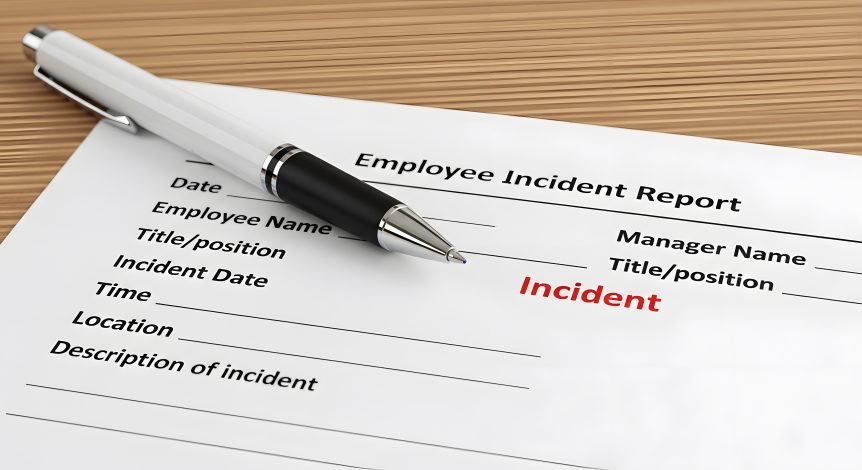
Effective injury reports should include:
- Date and time of the incident
- Location of the injury
- Description of what happened
- Witness information
- Medical treatment received
- Corrective actions taken
Detailed documentation supports insurance claims, workplace investigations, and future safety improvements.
Encourage Employees to Report Injuries Promptly
Some employees delay reporting injuries because they believe the injury seems minor or they worry about workplace consequences. Delayed reporting can complicate medical treatment, workers’ compensation claims, and compliance efforts.
Employers should create a workplace culture where employees feel comfortable reporting concerns immediately. Clear policies, ongoing communication, and supervisor support all help improve reporting accuracy.
When employees understand the importance of reporting incidents quickly, organizations can address hazards before additional injuries occur.
Review OSHA Recordability Carefully
Employers frequently make mistakes when determining whether an injury qualifies as recordable under OSHA requirements.
Factors such as medical treatment beyond first aid, restricted work duties, days away from work, or loss of consciousness may affect recordability. Employers should review OSHA guidelines carefully and document the reasoning behind each determination.
When questions arise, consulting with safety professionals, human resources, or legal advisors can help ensure consistent decisions.
Maintain Injury Records Throughout the Year
Some organizations focus on injury reporting only when an incident occurs. However, ongoing record maintenance remains equally important.
Employers should regularly review:
- OSHA injury logs
- Incident reports
- Workers’ compensation information
- Corrective action documentation
- Employee safety training records
Routine reviews help identify trends and uncover opportunities to improve workplace safety. They also make annual reporting requirements much easier to complete.
Create a Consistent Reporting Process
One of the most common compliance challenges involves inconsistent reporting procedures across departments or locations. A written process helps employees understand their responsibilities and ensures injuries receive the same level of attention every time.
An effective reporting process should outline:
- Who employees notify after an injury
- Required documentation steps
- Escalation procedures for serious incidents
- Recordkeeping responsibilities
- Follow-up and corrective action expectations
Consistency helps reduce confusion and supports regulatory compliance.
Final Thoughts
Workplace injury reporting goes beyond submitting information after an accident. Employers must understand reporting deadlines, maintain accurate records, train supervisors, and encourage prompt employee communication. By strengthening these practices, organizations can improve compliance, support injured workers, and create a safer workplace for everyone.