
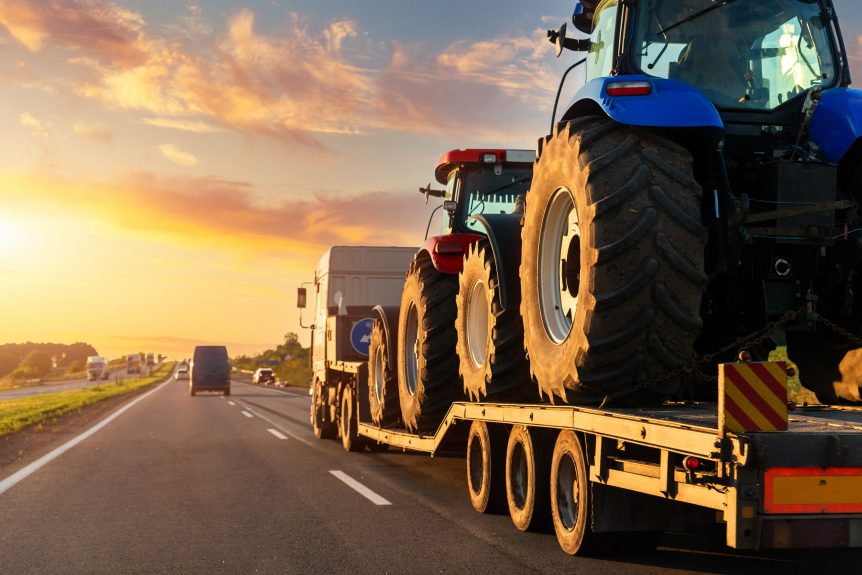
Many farmers assume their farm equipment insurance during transport provides the same protection they receive in the field. However, moving tractors, combines, planters, and other machinery on public roads can create insurance gaps that leave your operation exposed to costly claims, repairs, or losses.
Before hauling equipment to another field, a rental property, or a neighboring farm, it’s important to understand what your insurance covers—and what it doesn’t.
Your Coverage May Change Once Equipment Hits the Road
Farm insurance policies often provide coverage for equipment while it operates on your property. When that equipment travels on public roads, different risks come into play.
A traffic accident, property damage claim, or injury involving your equipment can quickly become expensive. Depending on your policy, you may need additional liability protection or specialized coverage for equipment in transit.
A quick policy review can help identify gaps before they lead to a costly claim.
Transportation Creates Added Risk
Transporting equipment exposes it to hazards that don’t exist while it’s working in the field, including:
- Vehicle collisions
- Loading and unloading accidents
- Equipment shifting or falling during transport
- Damage from low bridges or overhead obstacles
- Theft while equipment is unattended
- Damage to trailers used for hauling
With the value of modern farm machinery continuing to rise, even a minor incident can result in a significant financial loss.
Don’t Overlook Trailer Coverage
Many farmers use flatbed or equipment trailers to move machinery between locations. However, not every policy automatically covers the trailer and its contents the same way.
Some policies provide limited coverage, while others require you to specifically schedule the trailer. The equipment being hauled may also have separate coverage requirements while in transit.
Understanding how your policy handles both the trailer and the equipment can help prevent unexpected surprises.
Borrowed or Rented Equipment Comes With Additional Questions
If you borrow, lease, or rent equipment during planting or harvest season, don’t assume your insurance automatically extends to those machines.
Coverage responsibilities often depend on ownership and the terms of any rental agreement. Before transporting equipment you don’t own, confirm who carries insurance and what coverage applies during transport.
Ways to Close Coverage Gaps
Consider these steps to better protect your operation:
- Review equipment values and coverage limits annually.
- Verify liability coverage for roadway travel.
- Confirm trailer coverage and transit protection.
- Discuss borrowed, rented, or leased equipment with your agent.
- Keep an updated inventory of major equipment and attachments.
Protect Your Operation Before the Next Move
Moving farm equipment is a normal part of agricultural operations, but transportation creates risks that many farmers overlook. Taking time to review your farm equipment insurance during transport can help you avoid unexpected expenses and keep your operation protected.
If you’re unsure whether your current policy provides adequate coverage while equipment is on the road, now is the perfect time to ask questions and address potential gaps before the next trip.