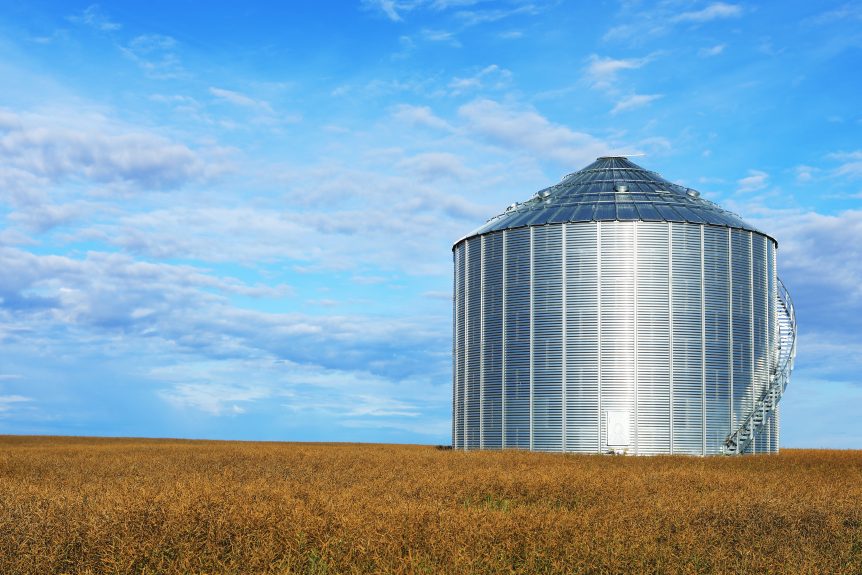
Grain storage and spoilage coverage explained starts with one simple truth: crops don’t stop facing risk after harvest. Once you move grain into bins, you take on new exposures that can affect both quality and revenue. This coverage helps protect your stored grain from losses tied to spoilage, equipment failure, and other covered events.
What Does Grain Storage Coverage Include?
Grain storage coverage protects grain while it sits in bins, silos, or other approved storage structures. Policies often include protection for:
- Fire and lightning damage
- Wind or storm-related loss
- Structural failure of storage units
- Accidental discharge or equipment malfunction
This coverage focuses on physical damage or loss tied to specific events listed in the policy.
What Is Spoilage Coverage?
Spoilage coverage steps in when grain loses value due to conditions inside the storage environment. This protection often applies when:
- Aeration systems fail
- Temperature control issues develop
- Moisture levels rise unexpectedly
- Power outages interrupt monitoring systems
Spoilage coverage looks beyond visible damage and addresses quality loss that affects market value.
What Coverage Does Not Include
Not every issue qualifies for coverage. Most policies exclude losses tied to:
- Neglect or poor maintenance
- Normal wear and tear
- Improper storage practices
- Unreported or ongoing issues
You must monitor conditions, maintain equipment, and follow best practices to keep coverage valid.
Why This Coverage Matters
Stored grain represents a significant investment. A single spoilage event can reduce quality grades and impact profitability quickly. Grain storage and spoilage coverage helps limit financial loss and gives you confidence during storage months.
Tips to Strengthen Your Protection
You can reduce risk and support your coverage by taking a few key steps:
- Inspect bins and equipment regularly
- Track temperature and moisture levels
- Keep detailed maintenance records
- Address issues immediately
Strong management supports stronger claims if a loss occurs.
Final Thoughts
Grain storage and spoilage coverage plays a critical role in protecting your operation after harvest. The right policy, combined with proactive management, helps you preserve both quality and value from bin to market.