
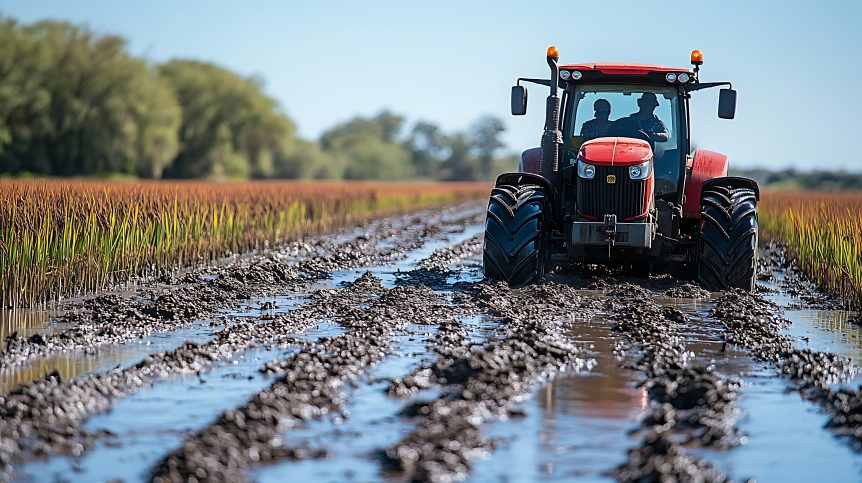
Wet spring weather can quickly disrupt planting schedules and create difficult decisions for farmers. Crop insurance prevented planting coverage can help protect farm income when saturated fields and excessive rainfall prevent planting by key insurance deadlines. Understanding how this coverage works can help farmers make timely decisions and avoid costly mistakes during challenging growing seasons.
What Is Prevented Planting Coverage?
Prevented planting coverage provides protection when weather conditions stop farmers from planting insured crops by the final planting date. Excessive rainfall, flooding, snow, or other eligible weather events often trigger prevented planting claims.
Instead of producing a crop, qualifying farmers may receive a payment based on a percentage of their crop insurance guarantee. This coverage helps offset input costs, protect cash flow, and reduce financial pressure after a difficult spring.
What Conditions Qualify?
Most prevented planting claims result from:
- Excessive rain
- Flooding
- Saturated soil conditions
- Snow or drought in some regions
Insurance providers and adjusters require proof that weather conditions prevented planting activities. Farmers must also show that conditions affected other producers in the area with similar cropping practices.
Prevented planting coverage does not apply if:
- Equipment issues caused delays
- Labor shortages prevented planting
- The farm lacked proper inputs or preparation
- The acreage did not qualify for insurance
Important Planting Deadlines Matter
Each crop and county has specific final planting dates established by the USDA Risk Management Agency (RMA). Farmers should know these deadlines before spring weather issues develop.
After the final planting date passes, many policies include a late planting period. Farmers can still plant during this timeframe, but coverage levels decrease each day. Once the late planting period ends, prevented planting options may become available.
Missing reporting deadlines can jeopardize claims, so farmers should communicate with their crop insurance agent early and often during wet conditions.
What Farmers Should Document
Strong documentation supports smoother claim processing. Farmers should keep:
- Rainfall records
- Photos of field conditions
- Planting attempts and dates
- Field maps and acreage records
- Notes about weather-related delays
Regular communication with insurance agents and adjusters also helps avoid misunderstandings during the claims process.
Cover Crops and Prevented Planting
Many farmers use cover crops on prevented planting acres to reduce erosion, improve soil health, and manage weeds. However, cover crop decisions can affect insurance payments and future eligibility.
Rules regarding haying, grazing, and termination dates may change from year to year, so farmers should review current guidelines with their crop insurance advisor before making management decisions.
Financial Planning During Wet Seasons
Prevented planting coverage can provide critical financial stability, but payments may not fully replace a harvested crop. Farmers should evaluate:
- Input costs already invested
- Cash flow needs
- Market conditions
- Alternative crop options
- Long-term soil management goals
A proactive plan can help reduce stress and improve decision-making during uncertain weather conditions.
Work With a Trusted Crop Insurance Advisor
Every farming operation faces unique risks, deadlines, and coverage needs. Wet seasons often create fast-moving situations that require quick decisions and accurate information.
Working with a knowledgeable crop insurance advisor can help farmers understand prevented planting rules, meet reporting requirements, and make informed choices that protect their operation and long-term profitability.