
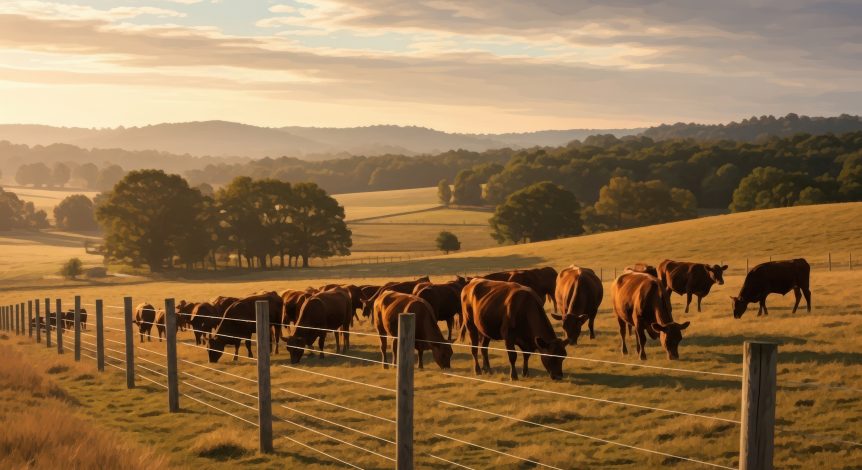
Livestock liability injury or loss can create serious financial risk for farmers and ranchers. When an animal injures someone or causes property damage, you need to act quickly, document the situation, and understand how your coverage responds.
What Triggers a Liability Situation
Livestock can cause harm in several ways. Common scenarios include:
- An animal escapes and causes a car accident
- Livestock injures a visitor, neighbor, or passerby
- Animals damage someone else’s property
You carry responsibility for your animals. If they cause damage or injury, you may face legal and financial consequences.
What to Do Immediately After an Incident
Take clear, intentional steps right away:
- Secure the situation – Prevent further injury or damage
- Document everything – Take photos, gather witness details, and write down what happened
- Report the incident – Notify your insurance agent as soon as possible
- Avoid admitting fault – Stick to the facts and let your carrier investigate
Quick action protects both people and your operation.
How Livestock Liability Coverage Responds
Livestock liability coverage helps protect you in two key ways:
- Covers legal costs – Pays for defense if someone files a claim or lawsuit
- Pays for damages – Covers medical bills or property repairs if you are found responsible
Your policy responds based on your coverage limits, exclusions, and how the incident occurred.
Where Gaps Can Happen
Not every situation falls under standard coverage. You may run into issues if:
- You exceed your policy limits
- You run a commercial operation without proper endorsements
- You fail to properly contain animals or maintain fencing
A coverage review helps you avoid costly surprises.
Make a Difference with Proactive Risk Management
You can reduce risk and create a safer environment with intentional actions:
- Inspect and maintain fencing regularly
- Use proper signage around livestock areas
- Train staff on handling procedures
- Review coverage annually with your advisor
Small, consistent steps make a meaningful difference in protecting your operation, your reputation, and your financial future.