
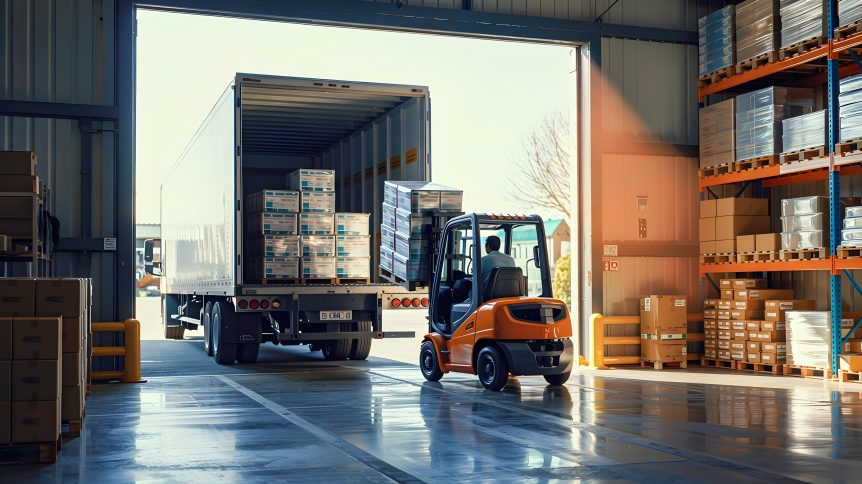
Businesses that rely on vehicles often assume one policy covers everything. It doesn’t. Commercial Auto vs. Motor Truck Cargo Insurance highlights how each policy protects different risks, and each serves a specific purpose.
What Commercial Auto Insurance Covers
Commercial Auto Insurance protects the vehicle and the driver. It covers liability if a driver causes injury or property damage. It can also include physical damage coverage for the vehicle itself, such as collision or comprehensive.
This policy focuses on accidents, lawsuits, and repair costs. It does not protect the goods inside the vehicle.
What Motor Truck Cargo Insurance Covers
Motor Truck Cargo Insurance protects the freight being hauled. It covers loss or damage to cargo due to events like theft, fire, collision, or overturn.
Shippers and contracts often require this coverage. It helps trucking companies meet contractual obligations and avoid paying out of pocket for damaged goods.
Do You Need Both?
Most trucking and transport businesses need both policies. Each coverage fills a gap the other leaves behind. Without cargo coverage, a business risks major financial loss. Without auto coverage, liability exposure increases.
The Bottom Line
Commercial Auto covers the road risk. Motor Truck Cargo covers the load. When businesses carry goods for others, they should not rely on one policy alone. Pairing both creates stronger, more complete protection.