
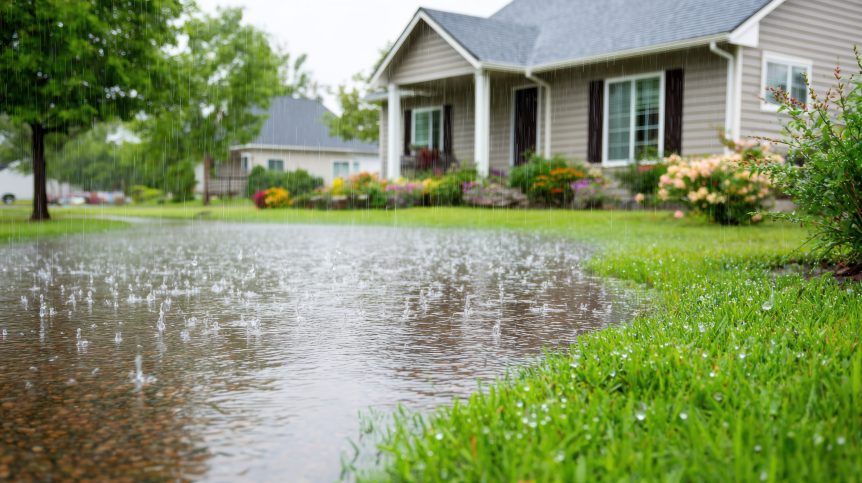
Preparing for spring rains starts with understanding the seasonal risks spring brings. Warmer temperatures, melting snow, and heavy rainfall increase the chance of flooding, even for properties outside high‑risk flood zones. Flood insurance plays a critical role in protecting your home, business, and finances before rising water causes costly damage.
Why Spring Increases Flood Risk
Spring creates a perfect storm for flooding. Melting snow saturates the ground, leaving little room for additional rainfall. Heavy spring storms can overwhelm drainage systems, cause rivers and creeks to overflow, and send water into basements, crawl spaces, and first floors. Urban areas face added risk when storm drains clog with debris from winter.
Many property owners assume homeowners insurance will cover flood damage, but standard policies exclude flooding. Without a flood insurance policy, even a few inches of water can lead to thousands of dollars in out‑of‑pocket repairs.
What Flood Insurance Covers
Flood insurance helps pay for damage caused by rising water from heavy rain, snowmelt, or overflowing bodies of water. A flood policy typically includes two main parts:
- Building coverage, which helps repair structural damage to your home or building, including walls, flooring, electrical systems, and major appliances.
- Contents coverage, which helps replace personal belongings such as furniture, clothing, electronics, and inventory.
Flood insurance focuses specifically on water damage from flooding, not from burst pipes or roof leaks. That distinction makes flood coverage an essential addition, not a replacement, to your existing insurance policies.
Flood Risk Exists Outside High‑Risk Zones
Many flood claims come from properties located outside designated high‑risk flood areas. Changing weather patterns, aging infrastructure, and new development can shift water flow and increase flood exposure. A single severe storm can overwhelm areas that have never flooded before.
Lenders often require flood insurance only in high‑risk zones, but flood damage does not follow maps. Purchasing coverage voluntarily provides peace of mind and financial protection, regardless of location.
Timing Matters: Don’t Wait for the Rain
Flood insurance policies typically include a waiting period before coverage begins. If you wait until heavy rain appears in the forecast, coverage will not start in time. Spring preparation means securing flood insurance early, before storm season begins.
Planning ahead ensures protection when you need it most and removes the stress of scrambling during an emergency.
Steps to Prepare for Spring Flooding
Flood insurance works best when paired with proactive prevention. Consider these steps as spring approaches:
- Clear gutters, downspouts, and storm drains to keep water moving away from your property
- Check sump pumps and backup systems to ensure proper operation
- Seal foundation cracks and basement windows
- Elevate utilities and valuable items in flood‑prone areas
- Store important documents in waterproof containers
These actions reduce damage and help you recover faster if flooding occurs.
Flood Insurance for Homeowners and Businesses
Flooding affects more than homes. Businesses face lost inventory, damaged equipment, and interrupted operations after water intrusion. Flood insurance helps business owners recover faster and avoid severe financial setbacks.
For homeowners, flood insurance protects one of the largest investments you will ever make. For renters, contents‑only flood policies protect personal belongings at an affordable cost.
Talk to an Insurance Professional Before Spring Storms Hit
Every property faces different flood risks. An insurance professional can help evaluate your exposure, explain coverage options, and tailor a flood insurance policy to your needs. A simple conversation now can prevent costly surprises later.
Spring rains arrive every year—but flood damage does not have to follow. Flood insurance gives you the protection, confidence, and financial security to face spring weather prepared, no matter what the forecast brings.