
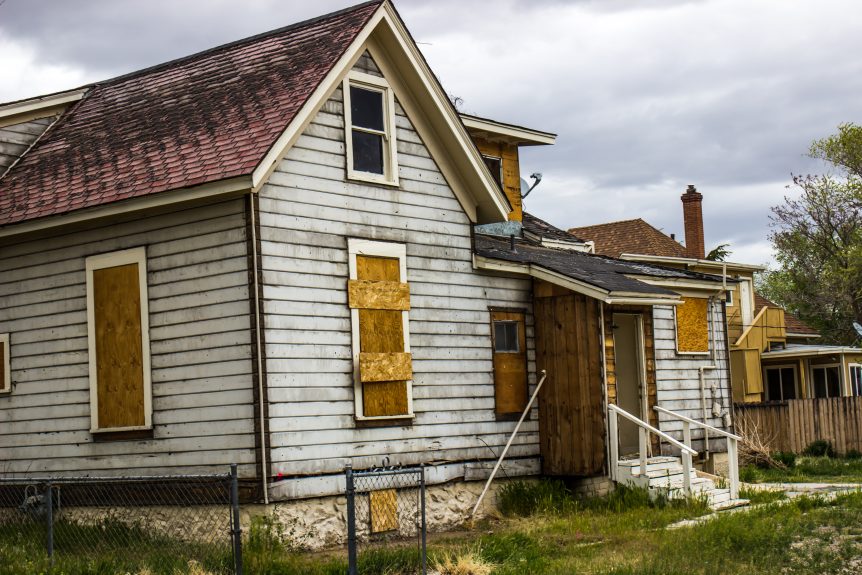
Property owners often focus on insurance when a building remains occupied, but vacant property risks require far greater attention. When a home or building sits empty during a sale, renovation, relocation, or estate settlement, exposure to losses increases and insurance protections can change. Without timely action, vacancy can create serious coverage gaps that leave property owners financially vulnerable.
Understanding these risks helps you protect your property and avoid costly surprises.
Why Vacant Properties Carry Higher Risk
Vacant buildings attract problems. Without regular activity, small issues turn into major losses. A minor plumbing leak can run for days. A break‑in can go unnoticed. Weather damage can worsen before anyone responds.
Insurance carriers recognize these increased risks. Most standard homeowners and commercial policies limit or exclude coverage once a property sits vacant for a specific period, often 30 to 60 days. At that point, the policy may no longer respond the way you expect.
Common Coverage Gaps for Vacant Properties
Vacancy often reduces or removes coverage for several major loss types. Fire damage, vandalism, theft, and water damage frequently face restrictions. Liability exposure also increases, especially if someone enters the property and gets hurt.
Many property owners assume their existing policy still applies. Unfortunately, that assumption leads to denied claims when a loss occurs during a vacancy period.
What Qualifies as a “Vacant” Property
Insurance policies define vacancy differently than everyday use. A property typically qualifies as vacant when it lacks occupants and personal property necessary for normal use. Even short‑term vacancies can trigger exclusions if the policy language allows it.
Seasonal homes, rental turnovers, and properties under renovation often fall into gray areas. These situations require careful review to avoid unintended gaps.
How to Protect a Vacant Property
The first step involves communication. Notify your insurance agent as soon as a property becomes vacant or plans for vacancy change. Early conversations allow time to adjust coverage before a loss happens.
Many insurers offer vacant property policies or endorsements designed to cover these risks. These policies focus on fire, liability, and limited additional protections tailored to unoccupied buildings.
Property owners should also reduce exposure by securing doors and windows, maintaining utilities as required, inspecting the property regularly, and addressing hazards promptly. Insurers often require these steps to keep coverage in force.
When to Review Your Insurance
Any life or property change should trigger an insurance review. Moving out, listing a home for sale, inheriting property, or starting renovations all qualify as moments to reassess coverage.
Waiting until after a loss occurs leaves few options. Proactive planning protects both the structure and your financial well‑being.
The Bottom Line
Vacant properties create unique insurance challenges, but the right planning keeps coverage intact. Understanding vacancy rules, addressing risks early, and adjusting policies when circumstances change can prevent major financial setbacks.
If you own or manage a property that may sit empty, reviewing your insurance now can make all the difference later.